
Captain John L. Inglis and Ralph Barker were closely connected through the industrial development of Florida’s phosphate and transportation industries during the late nineteenth and early twentieth centuries. Their partnership and overlapping business interests played an important role in the growth of the Gulf Coast region around Port Inglis and the phosphate trade that transformed portions of central Florida’s economy.
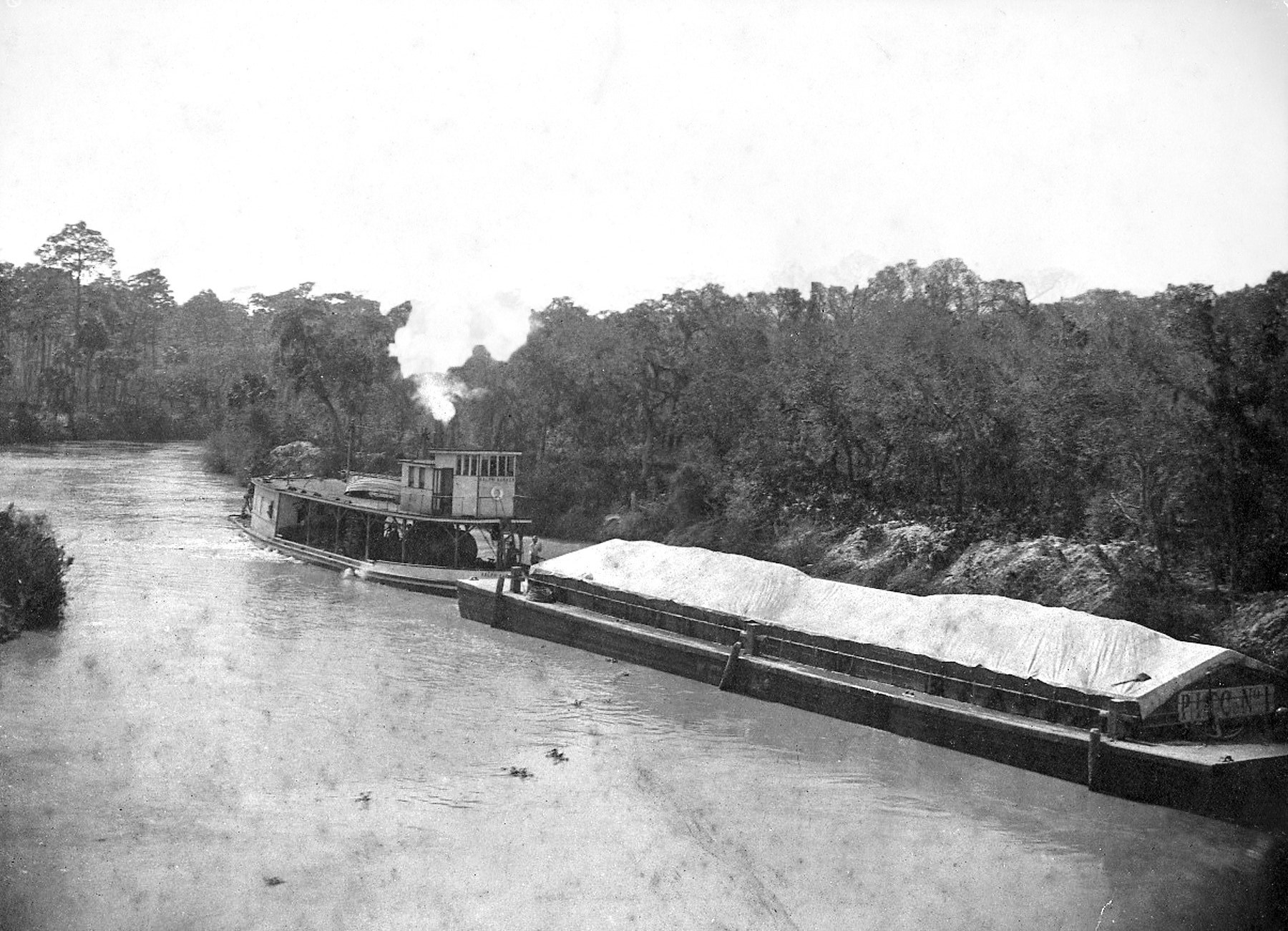
After the Civil War, Captain Inglis emerged as one of Florida’s most energetic entrepreneurs. In addition to his prominence as a Confederate veteran and civic leader, he became deeply involved in railroad construction, phosphate transportation, shipping facilities, and Gulf Coast commerce. Inglis recognized early that Florida’s rapidly expanding phosphate industry required reliable transportation from inland mines to deep-water export terminals on the Gulf of Mexico.
Ralph Barker arrived in Florida in 1882 as secretary and treasurer of the Madison Cotton Gin Company at Madison. Possessing strong administrative ability and growing business experience, Barker soon became associated with larger industrial and transportation ventures throughout the state. Over time, his career increasingly intersected with that of Captain Inglis.
Together, directly or indirectly, the two men became associated with enterprises tied to:
- phosphate mining,
- railroad development,
- export shipping,
- industrial processing along Florida’s Gulf Coast.
One of the most significant of these ventures was the development of Port Inglis near the mouth of the Withlacoochee River. Inglis helped establish transportation infrastructure that linked phosphate-producing regions with Gulf shipping routes, while Barker became involved in the management and financing of related industrial operations. Their efforts contributed to the establishment of the Port Inglis terminal facilities and associated railroad systems that carried phosphate rock from inland mines to ocean-going vessels.
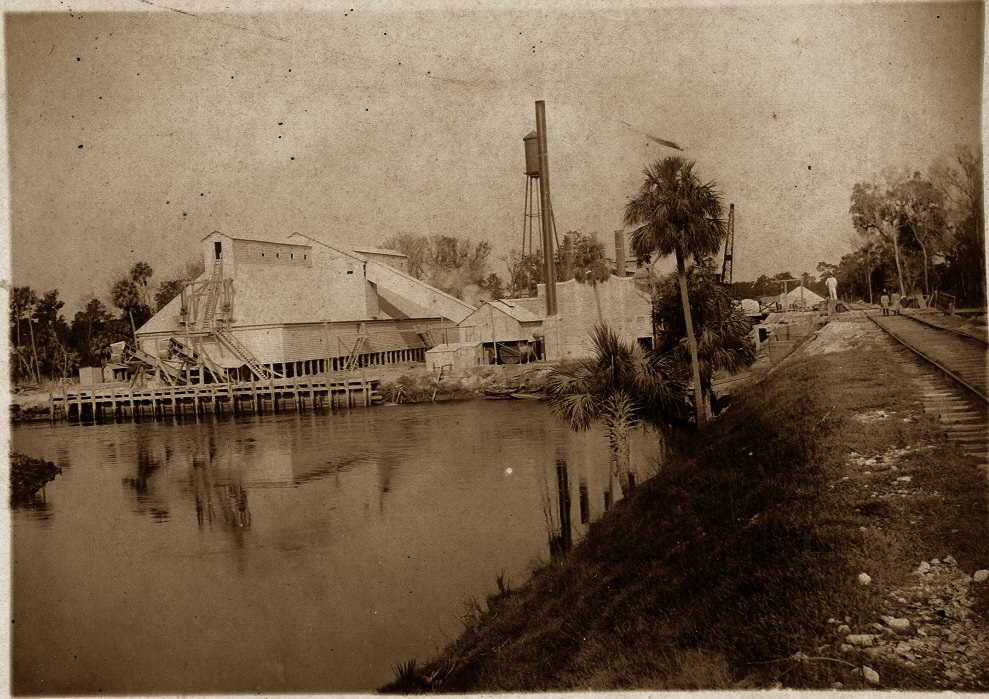
The proposed Barker Chemical Plant represented an important extension of these activities. Around 1904, plans were announced for the construction of a chemical processing facility at Port Inglis intended to manufacture acid phosphate and related fertilizer products. The enterprise became associated with Barker’s business interests and was commonly referred to as the Barker Chemical Company or Barker Chemical Plant.
The project was significant because it aimed to utilize lower-grade phosphate rock that was often considered unsuitable for export in raw form. Rather than shipping only high-grade phosphate overseas, the proposed plant would process the material locally into commercially valuable fertilizer products. This reflected a broader industrial trend in the South toward moving beyond simple extraction industries into manufacturing and chemical production.
Captain Inglis’s transportation network was essential to the venture. Railroads and terminal facilities under his influence enabled phosphate rock to be delivered efficiently to the coast, while docks and marine operations at Port Inglis provided access to Gulf and international markets. Barker, meanwhile, brought managerial oversight, financial organization, and industrial planning to the enterprise.
Although Port Inglis enjoyed a period of commercial importance, the region faced persistent difficulties:
- shallow harbor conditions,
- costly dredging requirements,
- hurricanes and coastal storms,
- competition from better-equipped ports,
- fluctuations in phosphate prices.
These challenges limited the long-term success of some of the associated industrial schemes, including the full realization of the Barker Chemical Plant’s ambitions. Nevertheless, the efforts of Inglis and Barker represented an important phase in Florida’s industrial evolution.
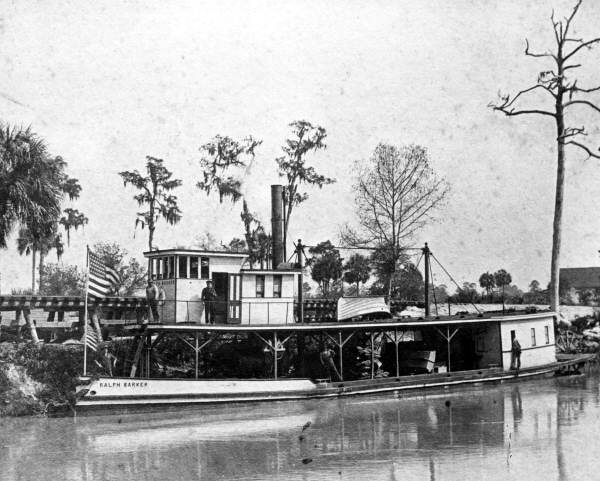
Their work helped transform isolated Gulf Coast settlements into centers of commerce tied to national and international trade. Through railroads, shipping terminals, fertilizer manufacturing proposals, and phosphate exports, Captain John Inglis and Ralph Barker became notable figures in the development of Florida’s early industrial economy.