
Captain John L. Inglis, who died at his home in Jacksonville on June 2, 1917, in his eightieth year, was remembered as a distinguished Confederate officer, an energetic businessman, and a deeply respected civic leader. Throughout his long life he was admired for his courage, determination, integrity, and devotion to both family and community. The son of Scottish parents, Inglis inherited the traits commonly associated with his ancestry—self-reliance, discipline, perseverance, and unwavering personal honor—which became defining characteristics of his career and public service.
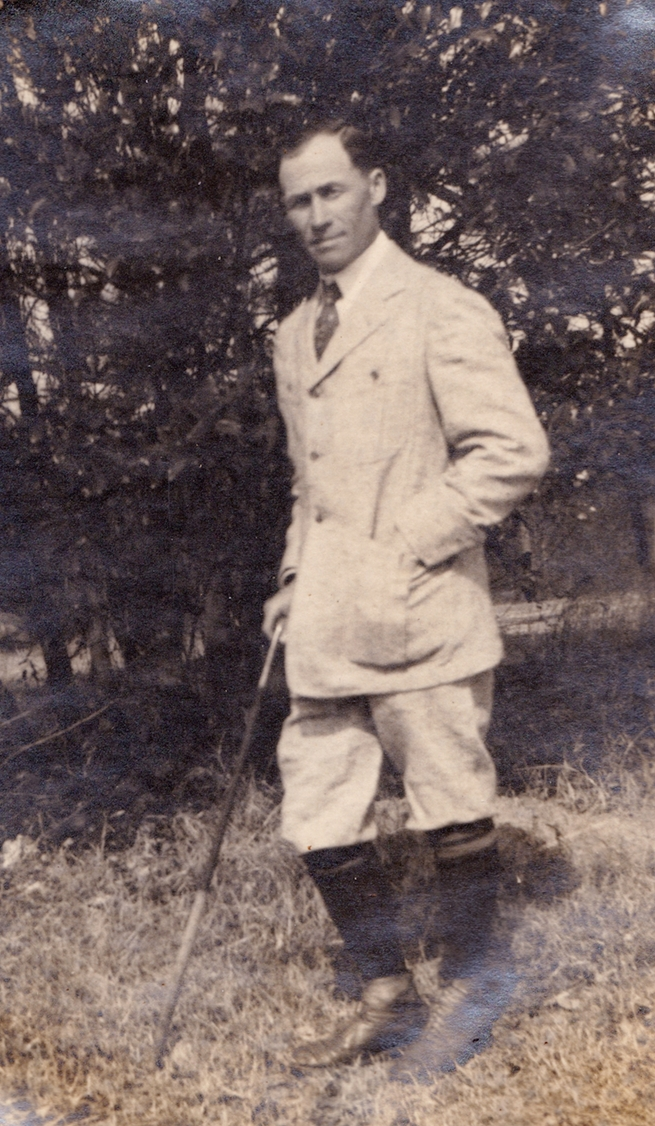
Born in England around 1837, Inglis immigrated to the United States as a young man. After spending several years in the Northern states, he eventually settled in Wakulla County, Florida. There he took charge of an iron foundry at Newport, a small Gulf Coast community that was then an important regional center for trade and manufacturing. It was while employed there that the Civil War erupted in 1861.
When hostilities began, Inglis cast his fortunes with the Confederacy and enlisted in the Wakulla Guards, the first volunteer company organized in Wakulla County. Possessing natural leadership ability and a commanding personal presence, he quickly rose through the ranks and was elected captain of his company. The unit later became Company D of the 3rd Florida Infantry Regiment in General Joseph E. Johnston’s army.
Captain Inglis led his men through many of the brutal campaigns associated with General William T. Sherman’s advance through Georgia. He earned a reputation for fearlessness under fire and for personally leading charges in combat. One of the most celebrated stories connected with his wartime service occurred during the Battle of Resaca. According to veterans’ accounts, Inglis and his Floridians were ordered to silence a Federal artillery battery that was inflicting severe losses on Confederate lines. Charging with remarkable determination, they succeeded in capturing the battery after fierce fighting. Tradition holds that the Union artillery commander resisted until nearly all his men were disabled and, upon surrendering his sword, discovered that his Confederate captor was his own brother. Whether embellished by time or entirely factual, the story became one of the enduring legends associated with Captain Inglis’s military career.
After the Civil War, Inglis returned to Florida and married Miss Thomas of Madison. Over the following decades he became a prominent figure in the state’s economic and political development. He was closely associated with Florida’s expanding phosphate and transportation industries and became widely known for his role in developing Gulf Coast commerce, including enterprises connected with Port Inglis and regional railroad operations. His business ventures helped shape portions of Florida’s industrial growth during the late nineteenth century.
Inglis also remained deeply committed to the welfare and memory of Confederate veterans. Within the United Confederate Veterans organization, he proved to be one of Florida’s most active and influential leaders. His fellow veterans repeatedly honored him with positions of trust and distinction, and he ultimately rose from local command responsibilities to become major general commanding the Florida Division of the organization.
By the time of his death in 1917, Captain Inglis had become one of the best-known surviving Confederate veterans in Florida—a man whose life spanned immigration, war, reconstruction, industrial development, and public leadership. He was remembered by contemporaries not only for his military service, but also for his business accomplishments, civic spirit, and steadfast loyalty to family, friends, and former comrades.